We Took a River Cruise (And No, We Didn't Fall Asleep)
Let's address the elephant in the room — or rather, the elephant on the river: river cruises have a reputation. And that reputation involves a lot of cardigans, early dinners, and people named Gerald. Our hesitation wasn't about the age of our fellow passengers, it was about whether the programming designed for them would leave us staring at the ceiling by 8pm.
Reader, we did not stare at the ceiling.
So Why a River Cruise at All?
We love travel in the chaotic, exhausting, luggage-hauling, jet-lagged sense of the word. But when the idea came up of bringing along family members who couldn't quite keep up with our usual pace, we needed a different approach. River cruising is basically travel on easy mode — you unpack once, and Europe comes to you. For anyone who loves the destination but could do without the physical marathon of getting there, it's a genuinely brilliant option.
Why CroisiEurope?
There are river cruise companies you've heard of, and many more that you haven't. The well-known ones market heavily to American travelers, which means they know exactly what American travelers expect — and they price accordingly. We went a different direction entirely, choosing CroisiEurope, a French company that is actually the oldest river cruise operator in Europe and doesn't particularly bother advertising to the US market.
That decision came with real advantages — and a few quirks. More on that in a moment.
The Good Stuff
The Price — Because CroisiEurope isn't spending a fortune on marketing to North America, their prices genuinely reflect that. This is not a budget cruise in the "you get what you pay for" sense — the ship was perfectly comfortable, with nothing worn or sad about it. They've simply been doing this longer than anyone else, and they've gotten very efficient at it.
The Options — The sheer variety of routes and durations was staggering. Three-night cruises, fifteen-night cruises, and everything in between. Whatever level of commitment you're ready for, they've probably got it.
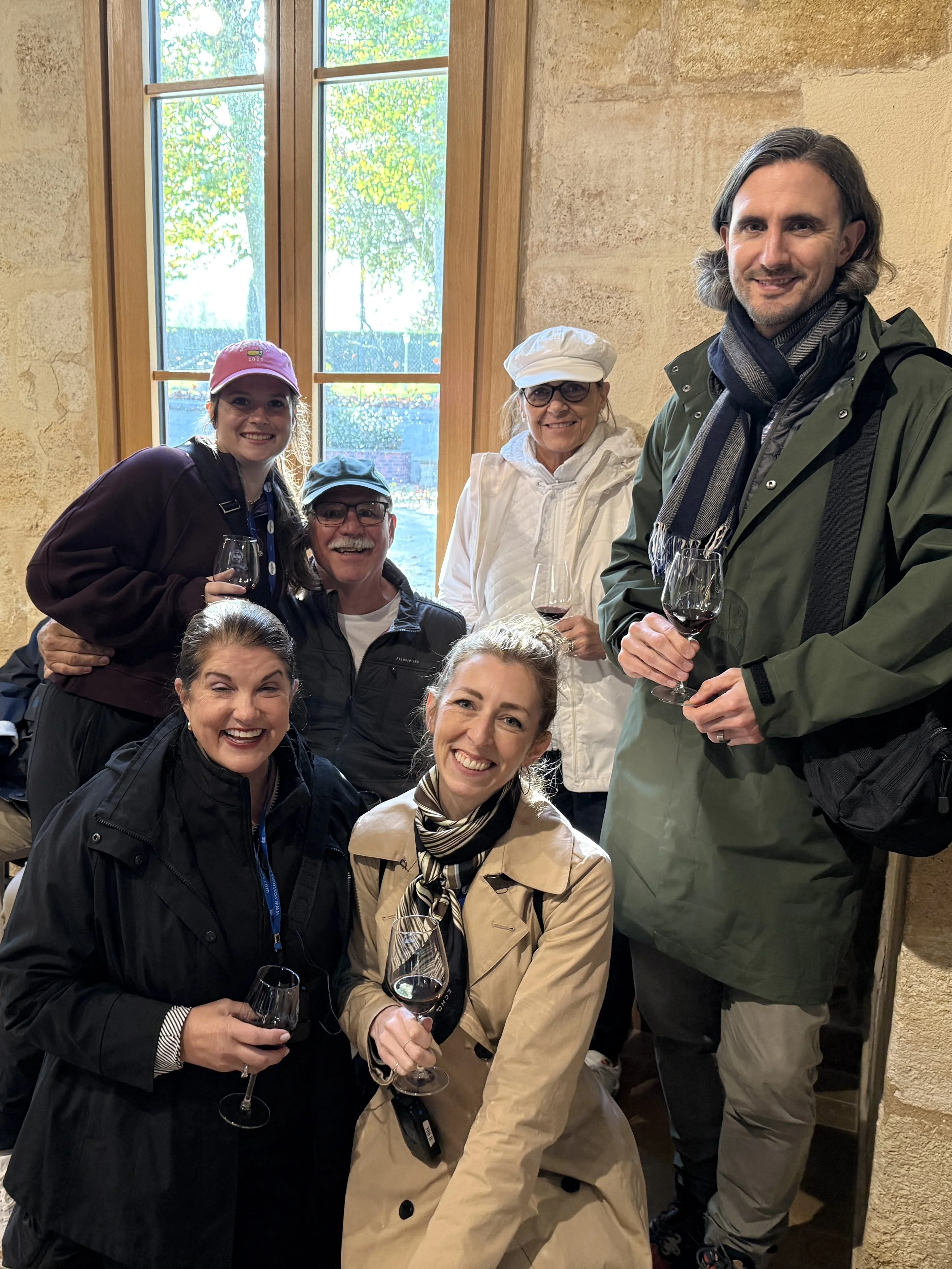
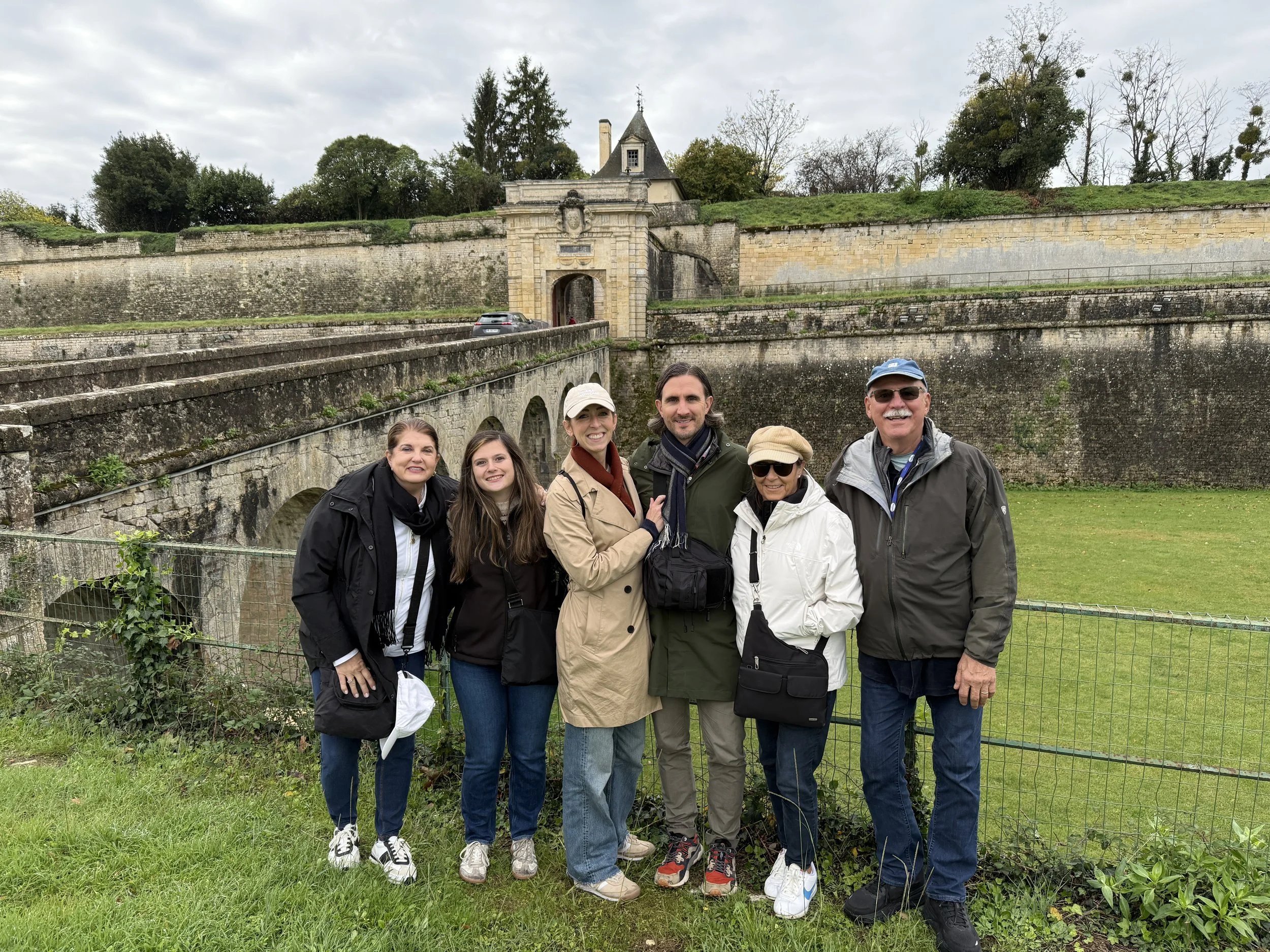
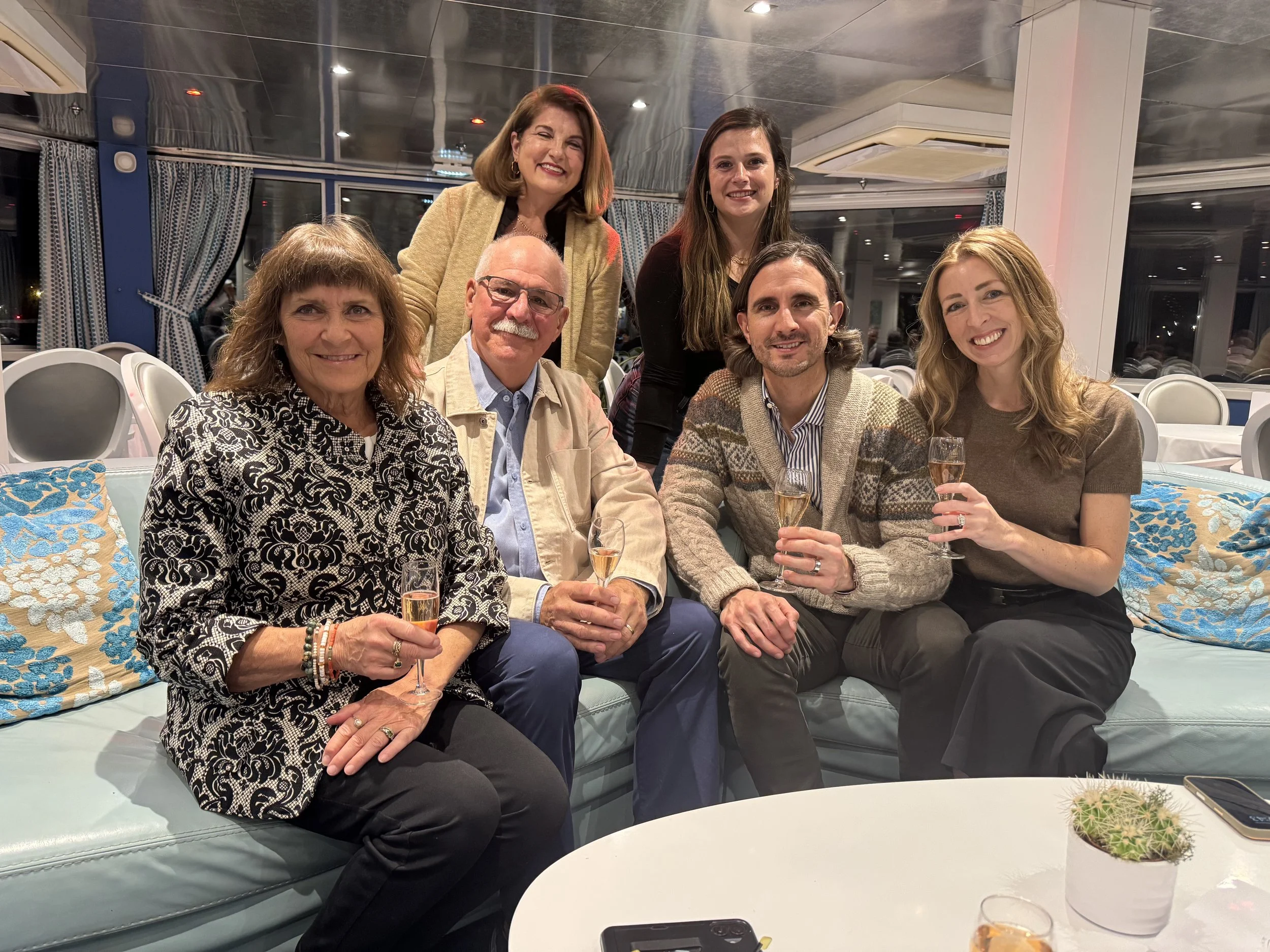
The People — Here's where it gets genuinely interesting. Of the roughly 100 passengers on our sailing, only 10 were native English speakers — and only 6 of those were American (all from our group). The rest were European, mostly French. If you want to actually meet people you'd never otherwise encounter, this is a surprisingly effective way to do it.
The Food — Nobody warned us. This was supposed to be a non-luxury cruise line. Someone in that dining room clearly missed the memo, because every single meal was generous, impressive, and honestly a little dangerous. We were not going hungry. Not even close.
The Crew — October in Bordeaux delivered relentless rain and high winds, which wiped out a good chunk of the outdoor spaces and some planned excursions. In a hotel, you'd just be stuck watching French television. On the ship, the crew stepped up with alternative entertainment — much of it performed by the crew themselves, or local musicians brought on board for the evening. It was small-scale and unpretentious, and it worked. Those people genuinely saved the trip.
The Not-So-Good Stuff
Here's where being an American on a cruise designed for Europeans gets a little bumpy.
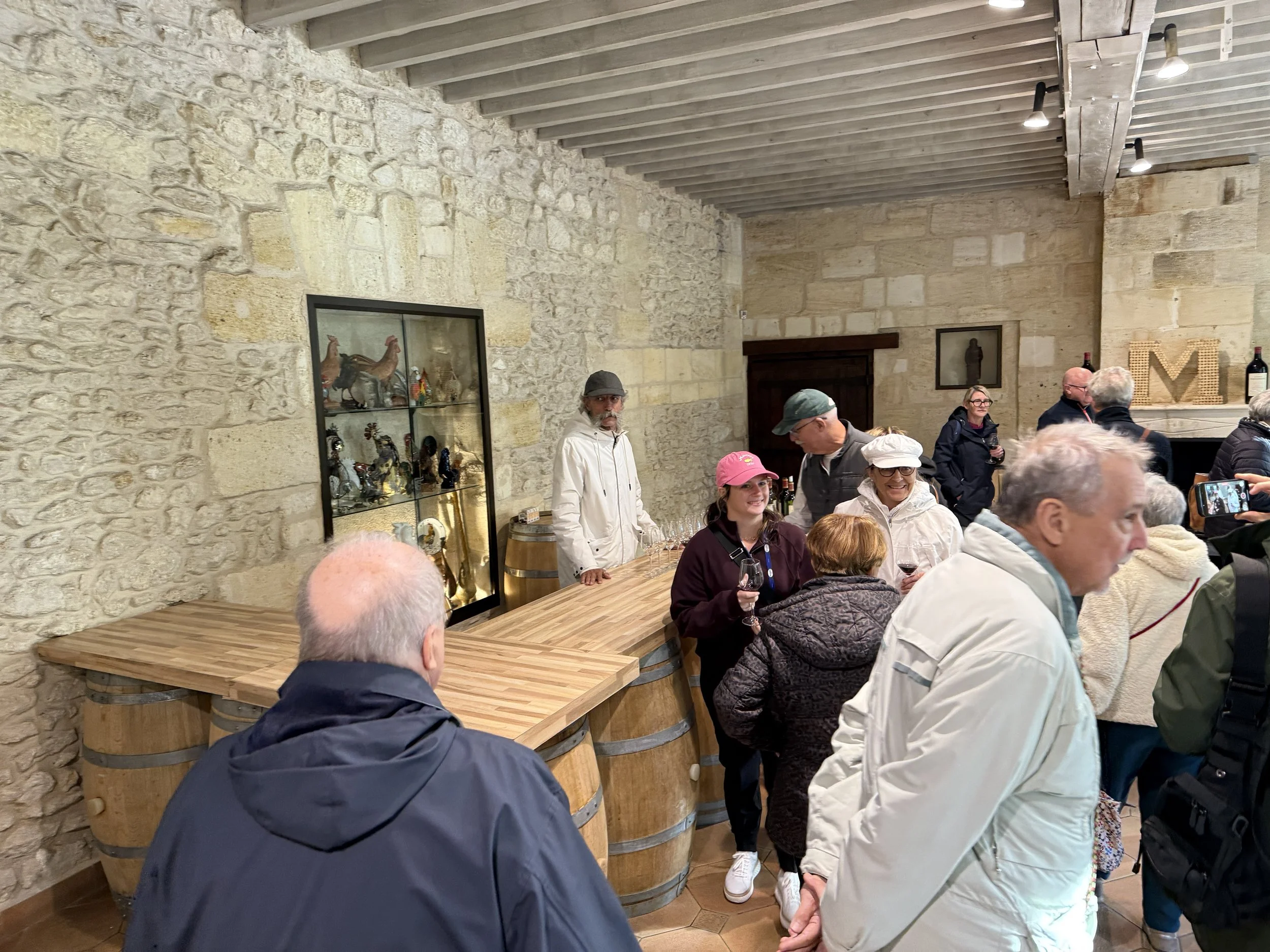
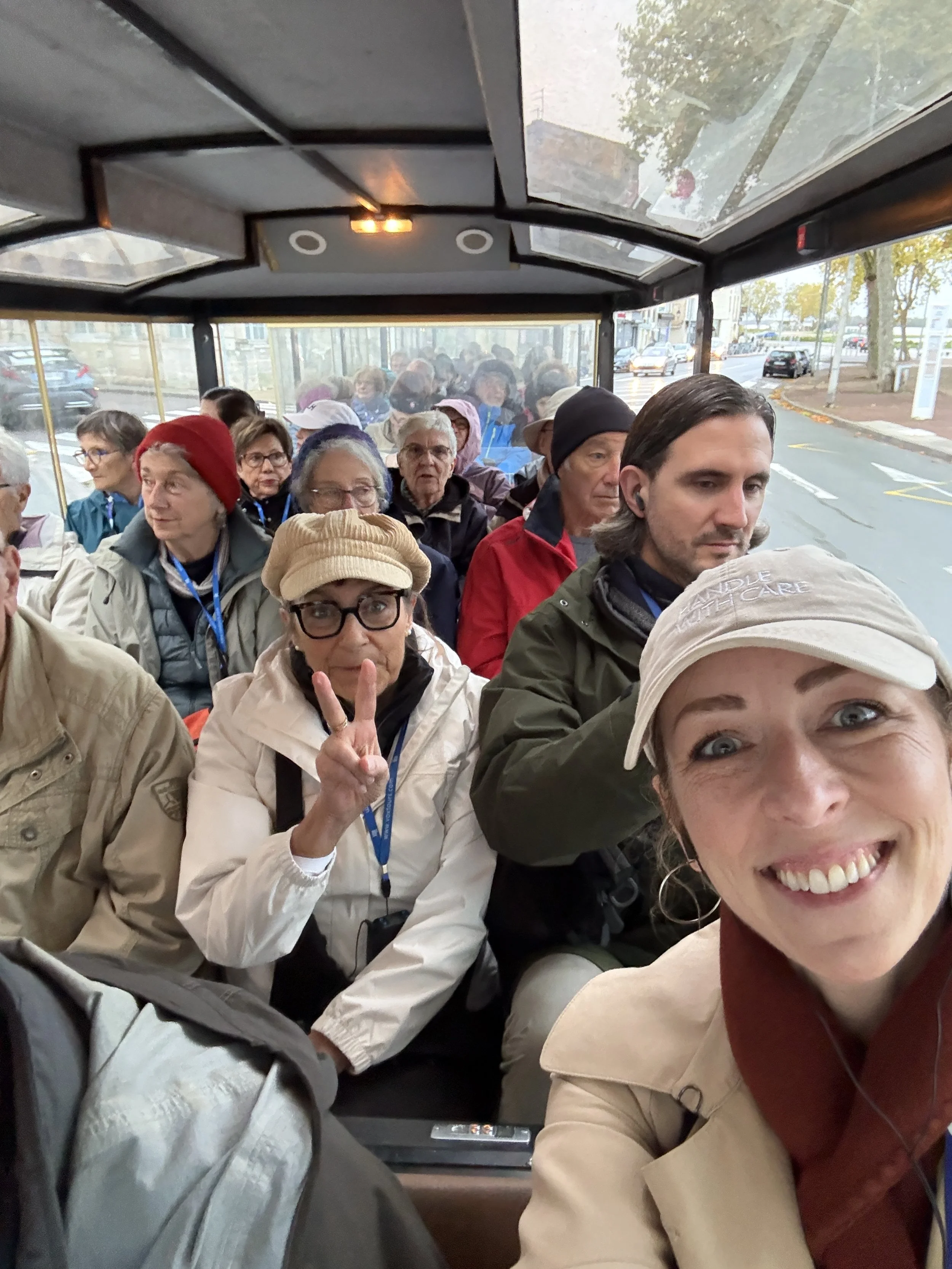
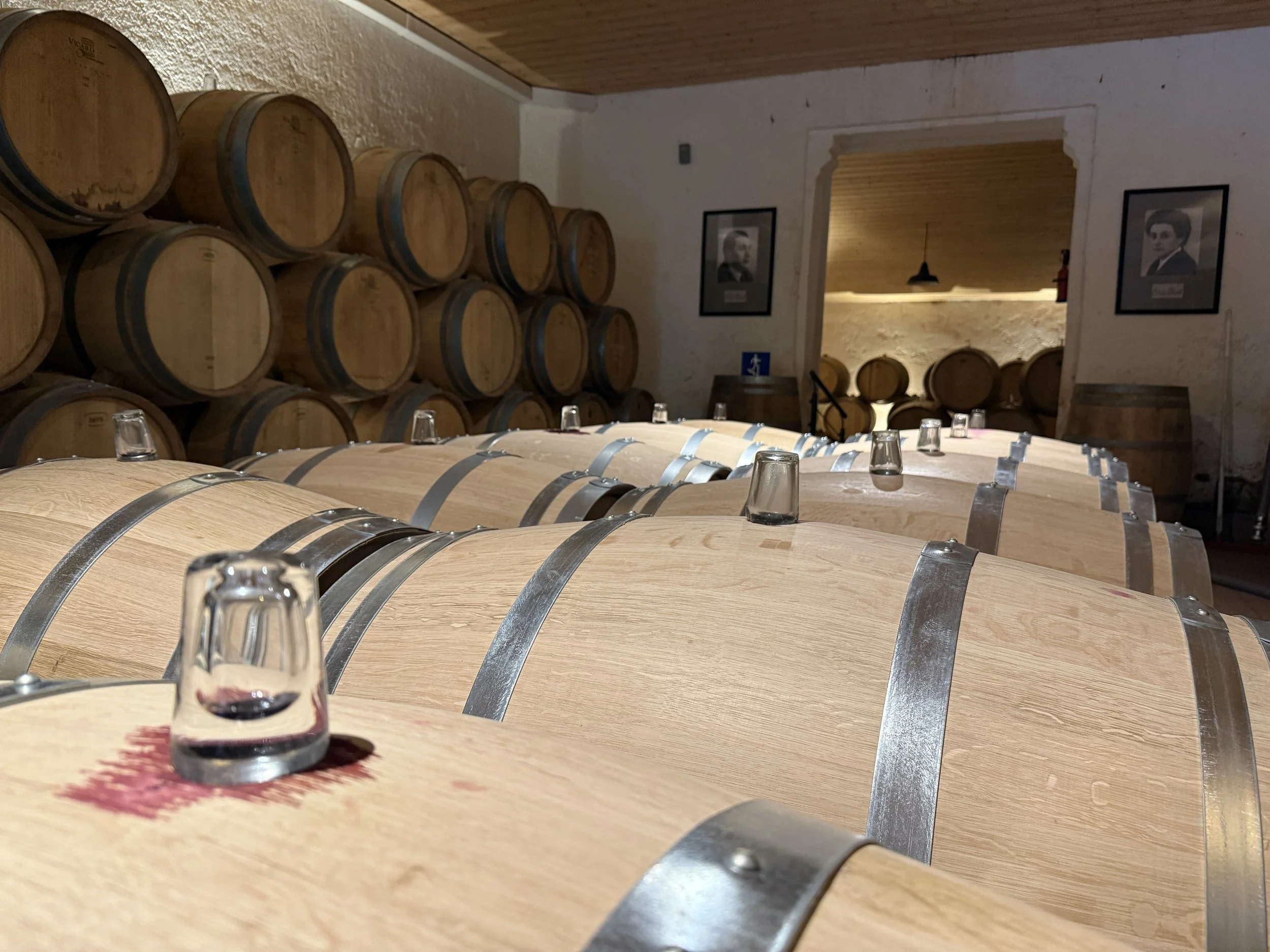
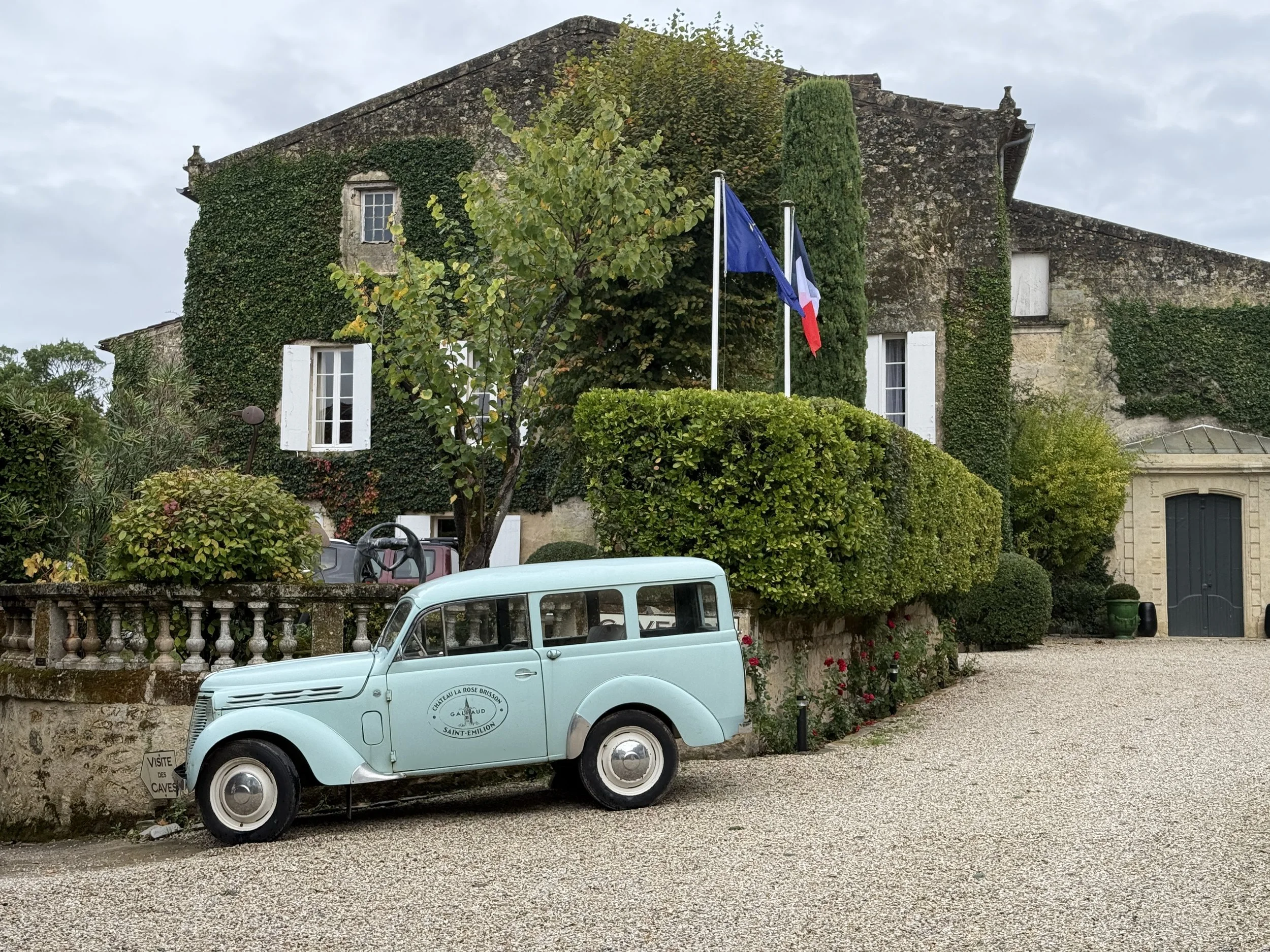
The excursions were included in the price, which was great. The information about those excursions was... less great. The crew told us where to be and when, but once we were handed off to tour guides, communication became sparse. The most memorable example: our very first excursion involved a two-hour bus ride each way — information that was never mentioned beforehand. For those of us prone to motion sickness, that would have been rather useful to know before boarding the bus.
The language situation was also a factor. My husband and I have scraped together some very approximate French and enjoy attempting to use it — the French passengers, to their enormous credit, played along graciously. But for the rest of our group, the language barrier felt genuinely isolating in casual social settings on the ship. That's worth knowing going in.
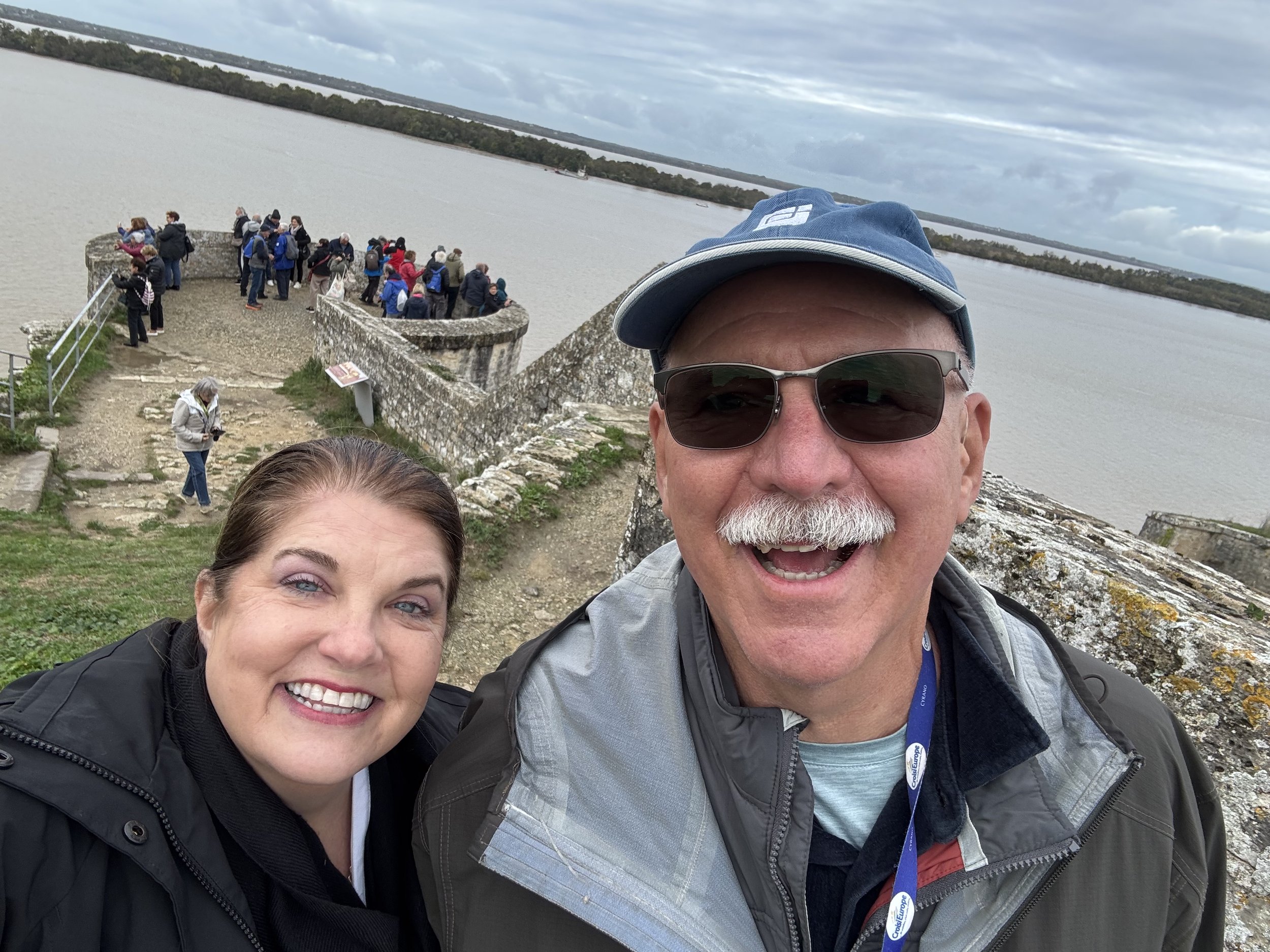
And then there's the organized excursion problem, which is really a problem of pace. Some stops stretched on for hours; others — the ones we actually wanted to linger in — were allotted 30 minutes with no option to return. For those of us who like to decide how long we spend somewhere, that loss of control can be quietly maddening.
The Cruise Itself
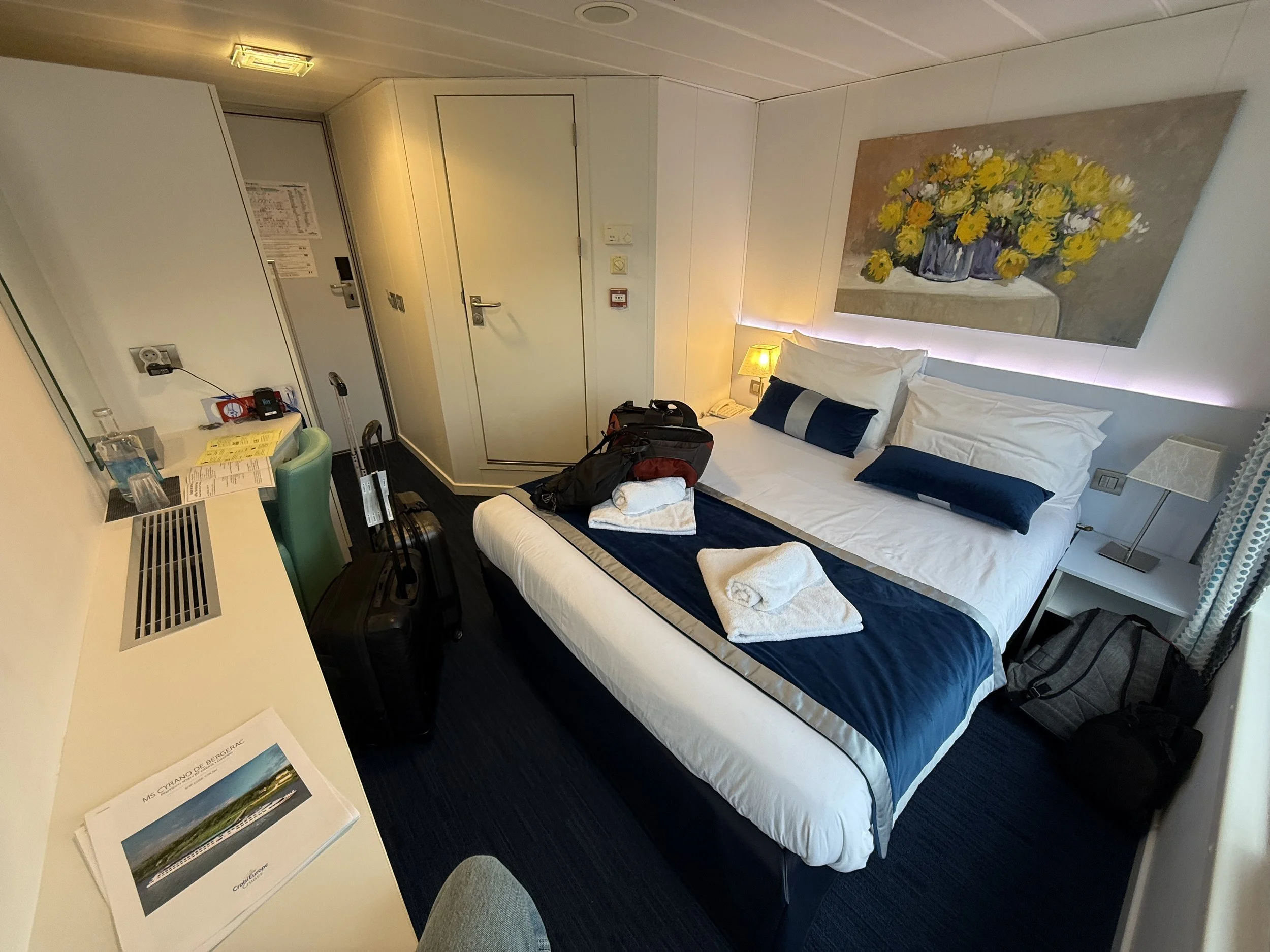
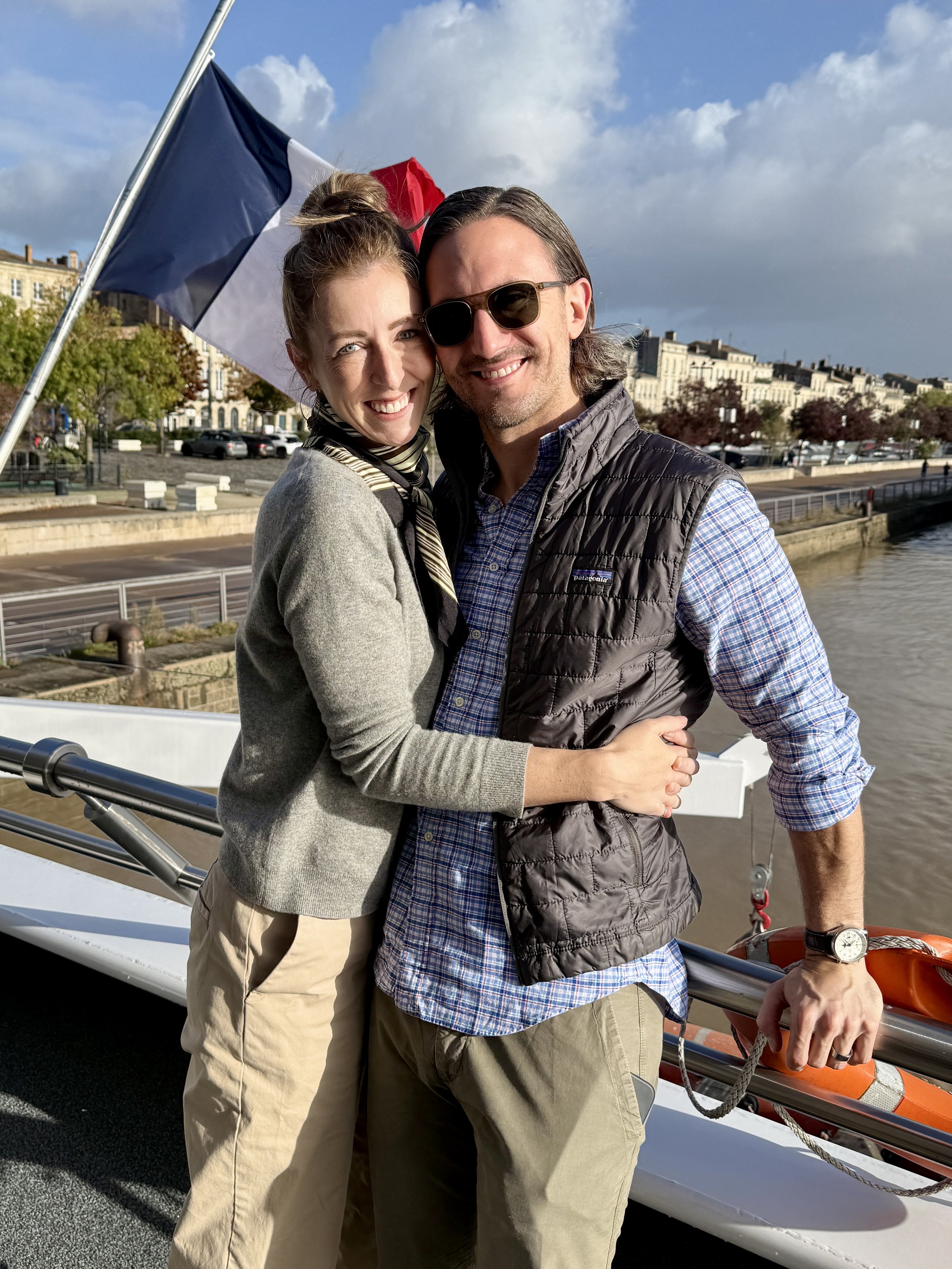
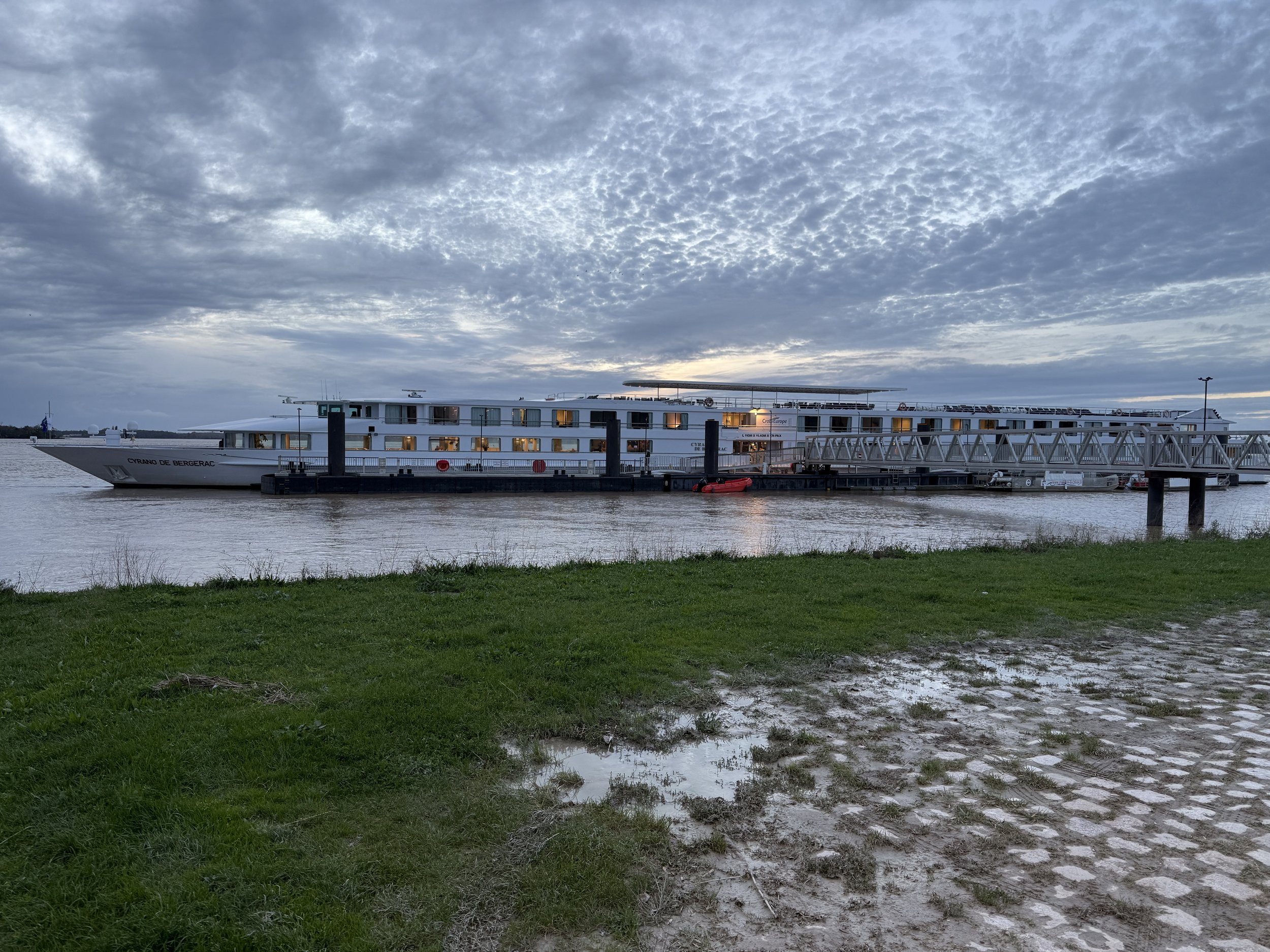
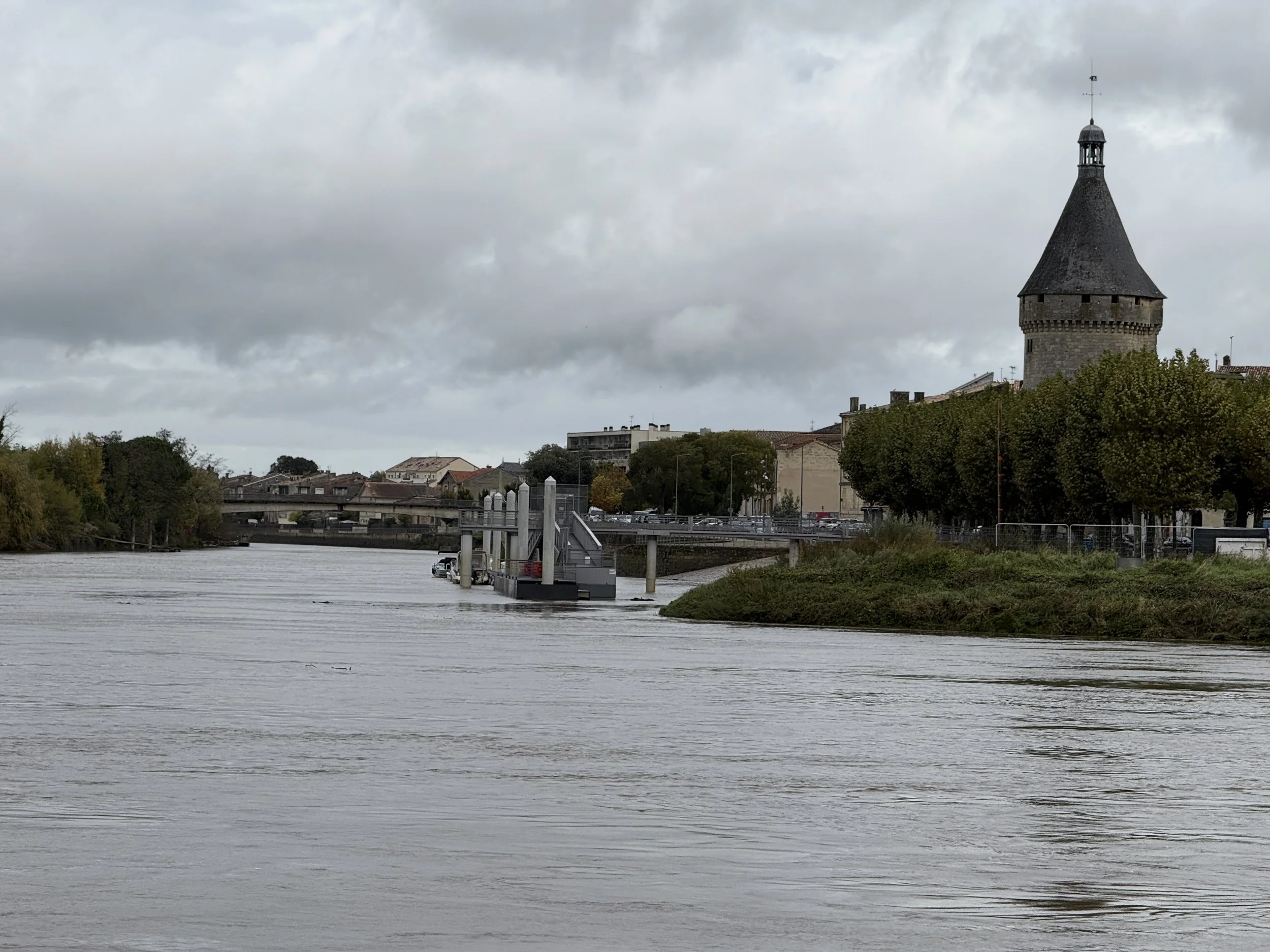
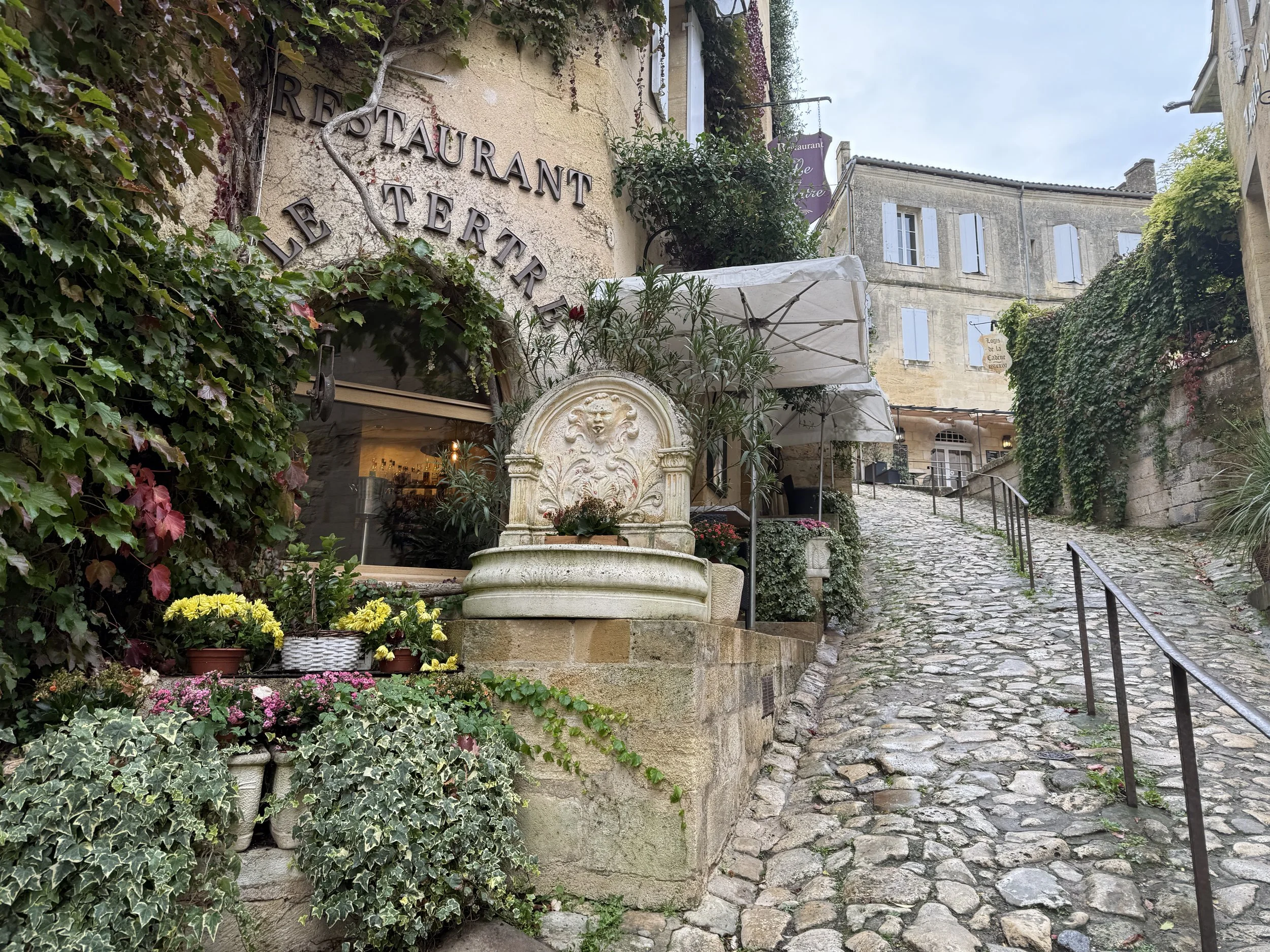
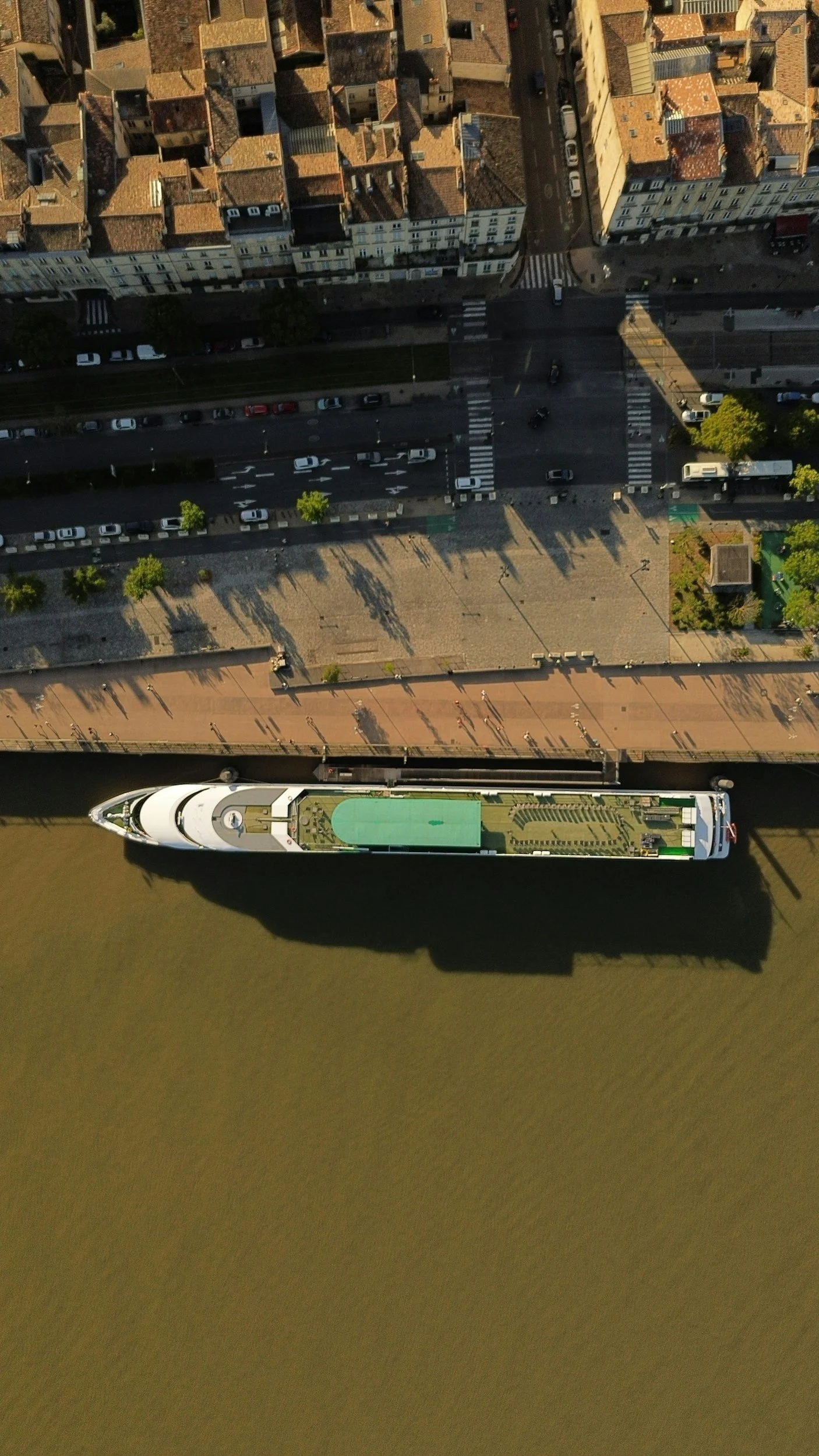
We booked a 4-night, 5-day cruise through Bordeaux aboard the MS Cyrano de Bergerac, sailing in mid-October to coincide with our wedding anniversary. We arrived a couple of days early to explore Bordeaux itself and stayed an extra day after the cruise ended — both decisions we'd make again.
Our cabin was a double room on the main deck — the very last room at the end of the hall, next to the navigation room. The crew told us it was the best room on the ship, and honestly, they might be right. Minimal foot traffic, no neighbors on one side, surprisingly spacious, good storage, a real window, and a shower that actually had room to turn around in. The price difference between the lowest and highest cabin categories is modest, so if you care about location, book early.
One note on timing: October is the end of the season, which brings lower prices and, as we discovered firsthand, the very real possibility of rough weather. Go in with realistic expectations, and maybe pack an extra layer.
The Verdict
Would we recommend river cruising? Broadly, yes — with the caveat that it's not for everyone, and knowing what kind of traveler you are matters.
Would we recommend CroisiEurope specifically? Also yes — especially if you're curious about the authentic European version of this experience, don't mind being the minority language on board, and appreciate value for money. Just do yourself a favor and ask every question you can think of before each excursion. Every. Single. One.